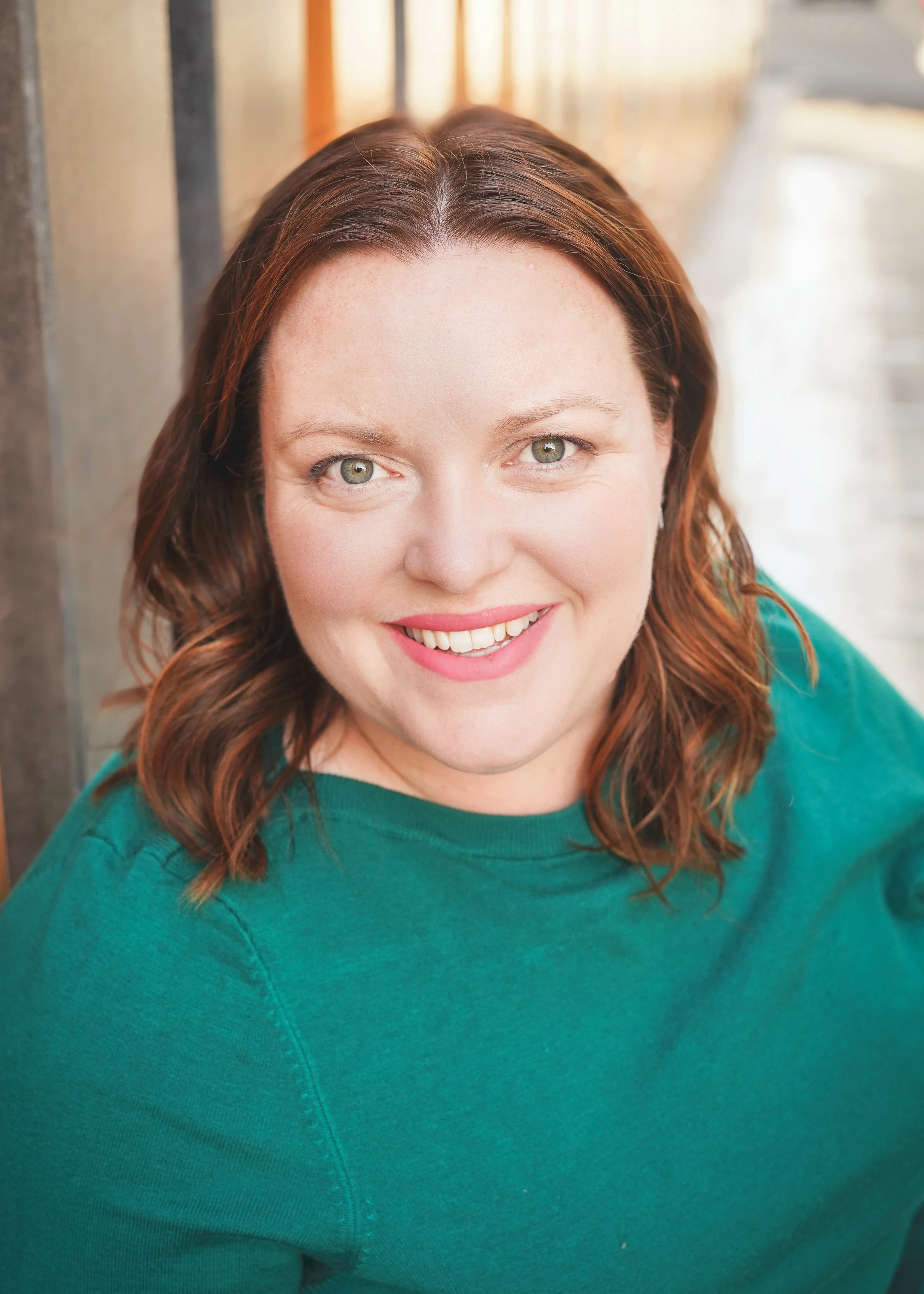
I have an unconventional background, and I've stopped apologizing for it.
My tech career started at Dell, where I spent six and a half years moving through roles that had almost nothing to do with each other on paper: functional test engineering, software development, manufacturing process improvement, and supply chain management. I kept moving because I kept getting bored, not because the work wasn't interesting, but because I could see what needed to change and couldn't reach it from where I sat.
Those years gave me a systems thinker's education before I had a name for it. Test engineering taught me to think about how to make things more resilient before they break. Lean manufacturing taught me to find the waste in a process and measure what removing it actually costs and saves. Supply chain taught me cross-functional tradeoffs at scale, the kind where optimizing one thing silently breaks something else.
In parallel with my corporate career, for over a decade, I stage managed and produced more than 25 theatre productions, including with the Zilker Summer Musical in Austin, a $300K production with 100+ volunteers and independent contractors. Stage managing is the art of making other people's vision a reality. You are responsible for everything and have authority over very little. I didn't learn the leadership qualities I'm most known for in a corporate training: psychological safety, empathy, the ability to keep people moving through hard things. I learned them in a rehearsal room.
In 2015, I joined athenahealth, still very much a person with two careers. That changed in the summer of 2016, when I was at work and realized I didn't want to leave to go to the theater. I called curtains on my theatre career and leaned fully into tech.
I spent the next 10 years there, going from developer to Executive Director of Engineering and PMO at epocrates, leading a globally distributed organization of 70+ engineers and operations professionals. A manager once wrote that I'm at my best turning chaos into order, "which usually involves a spreadsheet." He was right about the spreadsheet.
For most of those years, I sat in the engineering leadership seat, which usually comes with an expectation of singular focus. There are plenty of engineering problems to solve. But I believe the more work you put into solving cross-functional problems, the fewer function-specific problems you have. I created the House of Software Value Delivery there, and it's the clearest picture of where I like to work. Each functional leader largely owns the problems in their own pillar. The foundation sits under all of them: how the organization works together. I like the foundation problems.
I believe process is not a four-letter word. I believe slow is smooth and smooth is fast. I believe emotions are a feature, not a bug, in any organization that wants to do hard things with real people. And I believe the best leaders I've worked with share a particular quality: they make the people around them better at their jobs, without making it about themselves.
I try to do the same, whether I'm embedded as a fractional leader, running a consulting engagement, or on a stage.
If any of this sounds like what you're looking for, I'd like to talk.